
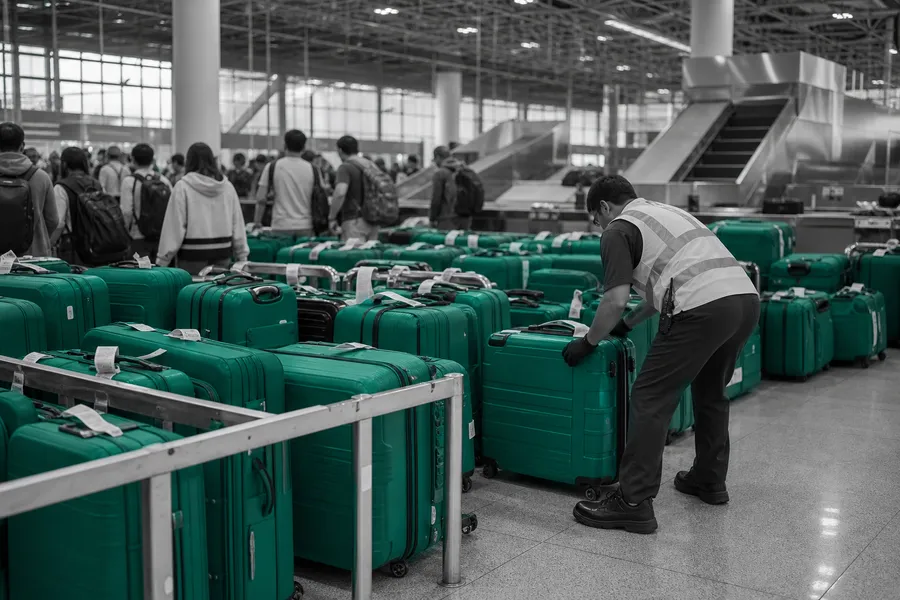
Catastrophic flooding across Thailand has forced Toyota (7203.T) to halt four manufacturing facilities and compelled flag carrier Thai Airways (THAI.BK) to suspend all cargo operations through October 6, threatening near-term output and logistics across Southeast Asia’s industrial belt.
For investors holding exposure to Japanese automakers or emerging-market aviation, the disruption underscores how concentrated supply chains in flood-prone regions can translate swiftly into earnings headwinds and reputational risk.
Key Takeaways
- Toyota shuttered three plants plus one joint-venture facility in Thailand.
- Thai Airways halted inbound and outbound cargo from Sept. 30 to Oct. 6.
- Bangkok received 320 mm of rain in three days, overwhelming drainage systems.
Scale of Disruption & Market Context
Bangkok was declared a disaster-affected zone after absorbing 320 mm (12.6 inches) of rainfall in just three days – roughly equivalent to the capital’s entire September monthly average – overwhelming drainage infrastructure and cutting off parts deliveries to industrial sites 1. The Federation of Thai Industries maintained its 2026 national vehicle production target of 1.45 million units, signalling confidence that the broader sector can absorb near-term shocks, though the eastern industrial provinces of Prachin Buri and Rayong remain under close watch 2.
Honda Motor (7267.T) separately suspended motorcycle production at one Thai plant on Sept. 29-30 before resuming Wednesday, widening the list of Japanese manufacturers caught in the disruption 2. The cluster of shutdowns highlights the density of Japanese automotive investment in Thailand, which serves as a regional export hub for both finished vehicles and components.
Detailed Analysis: Toyota and Thai Airways
Toyota said flooding disrupted parts deliveries to its Thai unit, prompting the suspension of three plants and a facility operated through its Toyota Auto Works joint venture 1. The company said it was coordinating with suppliers to restore deliveries and restart operations as soon as possible, without specifying a resumption date.
Thai Airways said many of its employees were unable to travel to work, forcing it to halt all cargo acceptance – both inbound and outbound – from Wednesday through October 6 1. The airline had already canceled 22 domestic and international flights on Sept. 29-30, including services to Singapore, India and Europe, and was still delivering bags from 52 flights operated Sept. 26-27 when the cargo freeze took effect 2.
The passenger disruption also drew political scrutiny. Tourism and Sports Minister Surasak Phancharoenworakul said Thai Airways’ handling of the crisis had damaged Thailand’s tourism image and called on the Finance Ministry – the airline’s largest shareholder – to convene an urgent board meeting 2.
Human Cost and Government Response
The death toll from the flooding stood at between 24 and 40, depending on the government source cited, with 44 of Thailand’s 77 provinces affected and flooding still active in 32 of those provinces as of Wednesday 1. Government Spokesperson Ekkapob Pianpises said authorities were draining floodwater in Bangkok into canals and expected to return conditions to normal for residents within two to three days 1.
Prime Minister Anutin Charnvirakul’s cabinet approved 2 billion baht ($59.5 million) in aid for flood victims and was separately weighing a 160 billion-baht ($4.8 billion), eight-year infrastructure project to divert floodwater from northern Thailand away from heavily populated downstream areas 2.
Outlook & Management Quotes
Thai Airways Chief Executive Officer Chai Eamsiri apologized to passengers for the disruption and pledged that cargo services would resume as soon as possible 2. Toyota said it was working urgently with its supplier network, though no formal earnings guidance revision has been issued by either company.
“Many of its employees were unable to travel to work,” Thai Airways said in its statement, citing the reason for the cargo suspension through October 6 1.
Authorities are closely monitoring water levels in Prachin Buri – which may begin receding – while Rayong faces continued heavy rain and releases from spillways, raising the risk of further industrial disruption in Thailand’s primary auto-manufacturing corridor 2.
Conclusion
The convergence of automotive plant shutdowns, cargo suspensions and mass flight cancellations illustrates how a single extreme weather event can simultaneously stress manufacturing, logistics and service sectors across a mid-sized emerging economy. Investors with exposure to Toyota, Honda or Thai Airways should monitor supplier restoration timelines and any formal guidance updates as floodwater recedes and a clearer production-loss picture emerges.
Not investment advice. For informational purposes only.
References
1Reuters (September 30, 2026). “Toyota car plants, Thai Airways cargo hit by Thailand floods”. Reuters. Retrieved September 30, 2026.
2Bloomberg/Japan Times (September 29, 2026). “Thailand floods hit Thai Airways and Honda as disruption spreads”. The Japan Times. Retrieved September 30, 2026.