
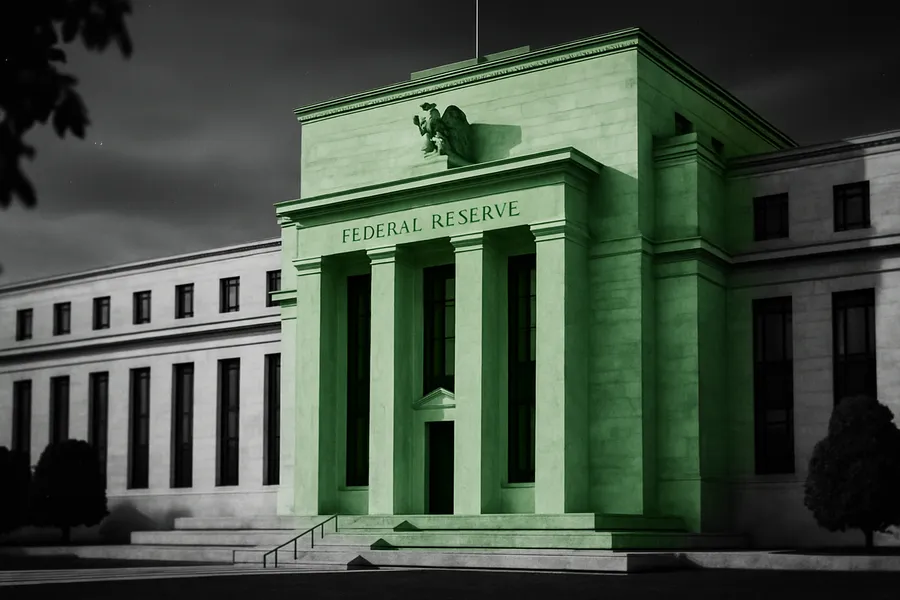
The Federal Reserve terminated Wells Fargo’s (WFC) $1.95 trillion asset growth restriction Tuesday, ending a seven-year penalty imposed after the bank’s fake accounts scandal.
The removal allows Wells Fargo to pursue deposit growth and expand investment banking operations that were previously constrained by the unprecedented regulatory punishment1.
Key Takeaways
- Fed removes $1.95 trillion asset cap imposed in 2018
- Bank can now pursue growth after seven-year restriction
- Other enforcement provisions remain until requirements met
Market Reaction & Context
Wells Fargo shares initially rose 1% in after-hours trading before paring gains amid broader market weakness2. The bank’s assets have remained essentially flat at around $1.95 trillion since the cap was imposed, while peers like JPMorgan Chase expanded their balance sheets significantly during the same period.
The asset restriction represented one of the most severe regulatory penalties available to federal banking supervisors. Wells Fargo CEO Charlie Scharf announced that all 215,000 employees would receive $2,000 awards for the company’s turnaround efforts3.
Regulatory Progress
The Fed determined Wells Fargo met conditions required for removing the growth restriction, including improvements to governance and risk management programs plus completion of third-party reviews1. However, other provisions from the 2018 enforcement action remain in place until additional requirements are satisfied.
Wells Fargo has closed 14 consent orders since 2019, including eight this year alone4. In May, the Office of the Comptroller of the Currency terminated a 2015 consent order, marking the 13th enforcement action lifted by regulators2.
Scandal Background
The restrictions stemmed from Wells Fargo’s widespread fake accounts scandal that erupted in 2016, where employees created millions of unauthorized accounts to meet aggressive sales targets4. From 2002 to 2016, thousands of Community Bank employees opened fraudulent accounts and financial products under customer names without permission.
The scandal cost Wells Fargo billions in fines, led to leadership overhauls, and subjected the bank to intense regulatory scrutiny. The bank paid a combined $1 billion to regulators in 2018 and agreed to a $3 billion settlement with federal prosecutors in 20204.
Management Response
“We are a different and far stronger company today because of the work we’ve done,” said CEO Scharf in a statement3. Scharf took over in 2019 and has led extensive efforts to convince regulators the bank reformed its culture and controls.
Banking analyst Stephen Biggar of Argus Research said the development “shows that the bank and the new management have made tremendous progress” and that “the only last hurdle is to get the asset cap removed”2.
Growth Prospects
With the asset restriction lifted, Wells Fargo can now compete more aggressively for deposits and pursue investment banking opportunities previously constrained by balance sheet limitations. The bank had been carefully managing wholesale deposits and markets businesses to comply with the cap2.
The removal represents a significant milestone for Wells Fargo’s rehabilitation efforts, though the bank still faces other regulatory requirements before fully clearing its enforcement backlog.
Not investment advice. For informational purposes only.
References
1Federal Reserve Board (June 3, 2025). “Federal Reserve announces Wells Fargo is no longer subject to the asset growth restriction from the Board’s 2018 enforcement action against the bank”. Federal Reserve. Retrieved March 5, 2026.
2Manya Saini and Nupur Anand (May 29, 2025). “Wells Fargo moves closer to lifting asset cap after US regulator closes consent order”. Reuters. Retrieved March 5, 2026.
3Md Fazlur Rahman (June 3, 2025). “Fed removes restrictions on Wells Fargo after fake-accounts scandal”. Los Angeles Times. Retrieved March 5, 2026.
4Catherine Muccigrosso (June 3, 2025). “Wells Fargo freed from asset cap punishment imposed after fake account scandal”. Insurance News Net. Retrieved March 5, 2026.