
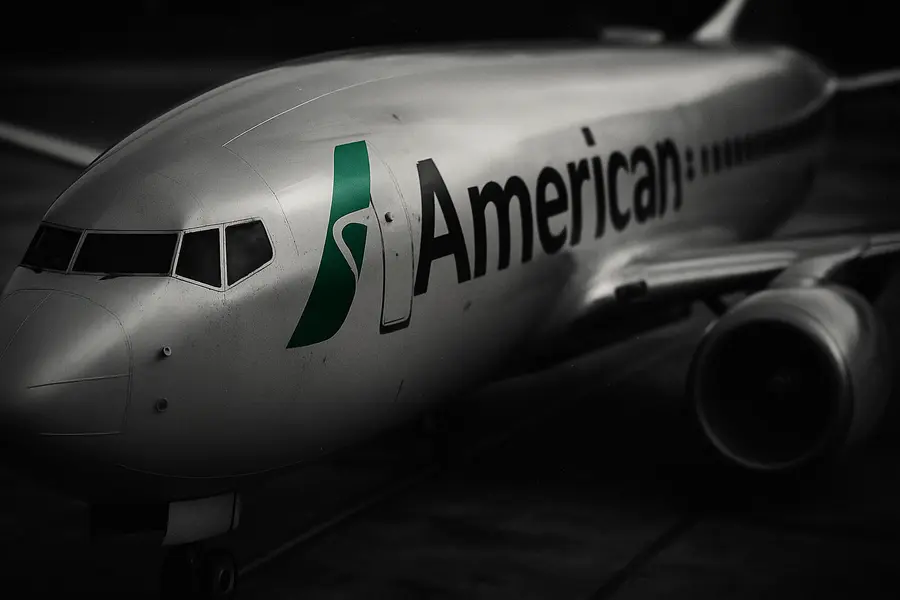
American Airlines (AAL) CEO Robert Isom confronts mounting pressure from pilots and unions amid lagging profitability versus rivals Delta and United.
The labor unrest threatens operational stability and could pressure management to increase costly concessions, potentially weighing on near-term margins.
Key Takeaways
- Pilots blame CEO for underperformance versus Delta, United
- Winter storm response criticism adds to operational concerns
- Flight attendants union pushing for leadership changes
Market reaction & context
American Airlines continues to trail industry leaders in profitability metrics despite strong post-pandemic travel demand 1. While Delta Air Lines and United Airlines have demonstrated stronger operational consistency and financial performance, American has struggled with both union relations and competitive positioning 2.
The carrier’s pilots argue that Isom’s leadership has left the airline unable to match rivals’ profitability levels, creating internal tensions that could impact future labor negotiations 3.
Operational challenges
Recent criticism intensified following American’s poor response to Winter Storm Fern, which unions cited as evidence of operational deficiencies 4. The incident highlighted broader concerns about the carrier’s network strategy and crisis management capabilities.
Flight attendants have joined pilots in expressing dissatisfaction, with their union pushing for leadership changes and arguing the carrier “lags years behind competitors” 5. Multiple pressure points are now converging on management, including profit gaps, storm response issues, and broader labor tensions 6.
Strategic concerns
Industry analysts point to American’s hub strategy as potentially problematic, with questions emerging about whether the network approach adequately serves pilot interests and operational efficiency 7. The discussions highlight mounting pressure on American to demonstrate stronger performance metrics relative to competitors.
Union representatives have indicated they may proceed with formal votes if management fails to address their concerns about strategic direction and competitive positioning 8.
Industry outlook
The labor tensions come as the airline industry benefits from robust travel demand, making American’s underperformance relative to peers more pronounced. Investors will likely monitor upcoming earnings reports and labor negotiations for signs of resolution or escalation.
The pressure on Isom reflects broader challenges facing legacy carriers in balancing cost management with union demands while competing against more operationally efficient rivals.
Conclusion
American Airlines faces a critical juncture as CEO Robert Isom navigates escalating union pressure amid competitive underperformance. The outcome of labor discussions could significantly impact the carrier’s operational stability and financial trajectory in coming quarters.
Resolution of these tensions will be essential for American to close the performance gap with industry leaders and maintain investor confidence in its strategic direction.
Not investment advice. For informational purposes only.
References
1“American Airlines CEO Isom faces growing pilot backlash after underwhelming performance”. MSN. Retrieved February 7, 2026.
2“American Airlines Unions Escalate Pressure on CEO”. Skift. Retrieved February 7, 2026.
3“American Airlines CEO Isom under pressure from pilots amid weak results”. Investing.com. Retrieved February 7, 2026.
4“American Airlines CEO Isom Faces Growing Pilot Backlash After Underwhelming Performance”. InvestorsHub. Retrieved February 7, 2026.
5“American Airlines Stuck in Turbulence While Rivals Climb on Premium Travel Boom”. ReadTheJoe. Retrieved February 7, 2026.
6“American Airlines chief executive Robert Isom has drawn backlash”. Instagram. Retrieved February 7, 2026.
7“Hubs In Crisis: Is American’s Network Strategy Failing Its Pilots?”. Simple Flying. Retrieved February 7, 2026.
8“American Airlines Under Fire as CEO Faces Growing Union Backlash”. Aviation Gallery. Retrieved February 7, 2026.