
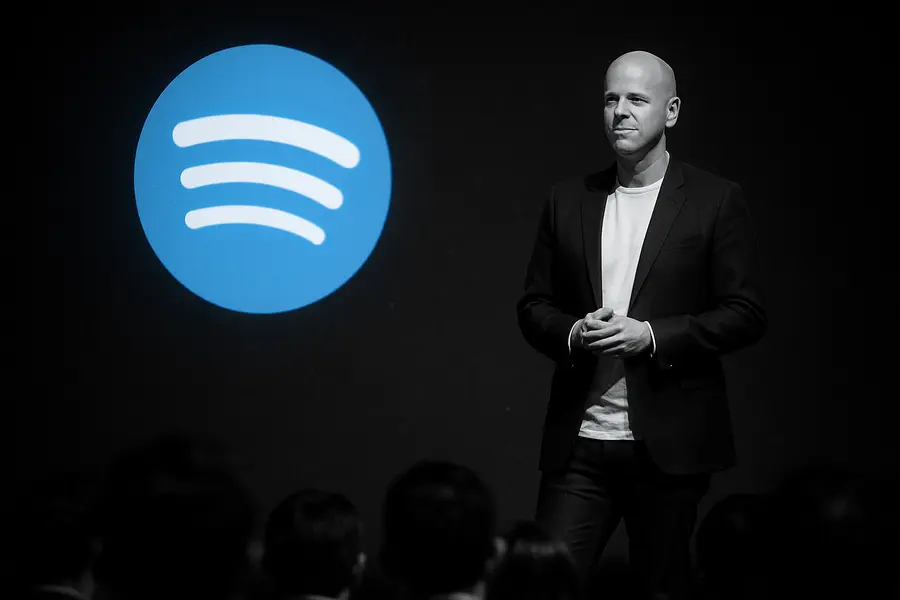
Spotify (SPOT) announced Wednesday it will sell physical books through a Bookshop.org partnership, expanding beyond its core audio streaming business to capture more consumer spending. The move represents the streaming giant’s latest diversification effort as it seeks new revenue streams amid intensifying competition in the digital entertainment space.
Key Takeaways
- Premium subscribers in US and UK get physical book purchasing
- New Page Match feature syncs audiobooks with physical copies
- Partnership supports independent bookstores through Bookshop.org platform
Market Context
The announcement comes as streaming platforms face pressure to diversify revenue beyond subscriptions. Spotify’s move mirrors Amazon’s (AMZN) ecosystem approach, where the tech giant leverages its Prime membership across multiple product categories including books, video and shopping.
The feature will roll out later this spring for premium subscribers in the United States and United Kingdom 1. Bookshop.org will handle order fulfillment, with proceeds supporting independent bookstores across both markets.
Page Match Technology
Spotify’s new Page Match feature allows users to seamlessly switch between audiobook and physical book formats. The technology synchronizes reading progress, enabling users to continue from where they left off regardless of format 2.
The integration targets avid readers who prefer switching between audio during commutes and physical books at home. This hybrid approach could differentiate Spotify from pure-play audiobook competitors like Audible.
Strategic Expansion
The physical book initiative builds on Spotify’s audiobook launch in 2022, when the company began offering over 300,000 titles to premium subscribers. The Swedish streaming service has been aggressively expanding beyond music to podcasts, audiobooks and now physical media 3.
“Through the Spotify app, users can now purchase physical books from Bookshop.org, with money from every sale supporting independent bookstores,” the company said in its announcement 4. This positioning appeals to consumers who want to support local businesses while accessing digital convenience.
Revenue Diversification
The book sales feature represents Spotify’s continued effort to reduce dependence on music streaming margins. The company faces ongoing pressure from record labels over royalty payments while competing against Apple Music and YouTube Music for subscribers.
By integrating physical book purchases, Spotify creates additional touchpoints with users and potential commission revenue. The strategy follows other tech platforms that have expanded into commerce, including social media companies adding shopping features.
Market Outlook
The physical book market has shown resilience despite digital adoption, with many readers preferring print formats for certain genres. Spotify’s entry could pressure traditional book retailers while potentially driving higher engagement among existing subscribers.
The integration with Bookshop.org, which competes with Amazon’s book dominance, positions Spotify as supporting independent retailers. This messaging could resonate with consumers increasingly concerned about market concentration in retail.
Not investment advice. For informational purposes only.
References
1(2026-02-05). “Spotify to let users buy physical books on app through Bookshop.org partnership”. Reuters. Retrieved February 5, 2026.
2(2026-02-05). “How to Use Page Match to Seamlessly Switch Between a Book and audiobook”. Spotify Newsroom. Retrieved February 5, 2026.
3(2026-02-05). “Spotify is partnering with Bookshop.org to sell physical books”. The Verge. Retrieved February 5, 2026.
4(2026-02-05). “Spotify’s Page Match Bridges Physical Books and Audiobooks”. Life & Style Magazine. Retrieved February 5, 2026.